Subtotal 0.000 .د.ب



Food Allergy in Children: Symptoms, Diagnosis & Treatment
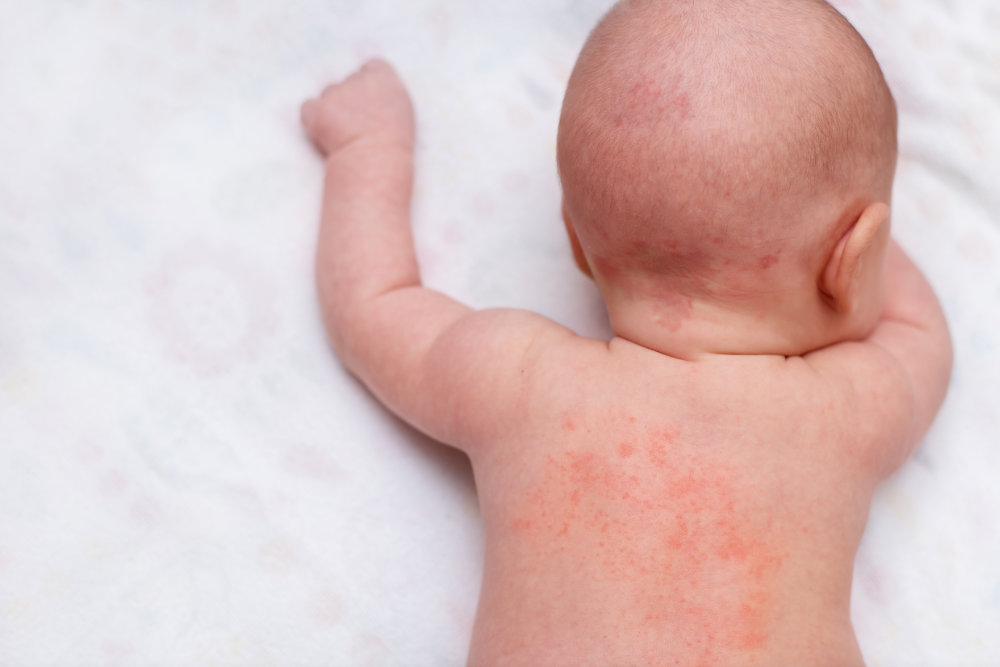
Food allergy is defined as an abnormal response of the immune system because of consuming certain types of food proteins. Food allergies occur in children when the immune system attacks food proteins, considering them foreign and harmful substances, whereby the child’s immune system develops specific types of antibodies to react with the food proteins, subsequently triggering the release of a group of chemicals, such as histamine.
The most common food allergies are eggs, milk, peanuts, tree nuts, soybeans, wheat, and fish. These varieties represent 90% of food allergies, and many other foods may cause allergies, but they are less common.
What is the Prevalence Rate of Food Allergy?
Food allergies affect about 8% of children, while affecting only 4% of adults, as the majority of children usually outgrow the food allergy spontaneously as they get older, such as egg and milk allergies. In addition, there are other types of food allergies, such as peanut and tree nut allergies; the chances of spontaneous recovery are less.
Unfortunately, confusion often occurs between the symptoms of lactose intolerance, gastroenteritis, and food allergies in children due to the overlapping symptoms among them. However, it is important to point out that food intolerance symptoms are usually limited to the digestive system, and they do not present with respiratory and skin symptoms.
What are the Main Causes and Risk Factors?
The main cause of food allergies in children is still not well known. However, other factors play an important role, like genetic factors. It has been shown that a family and personal history of food allergies, eczema, or asthma significantly increases the risk of developing a food allergy.
A delay in the introduction of high-risk foods like peanuts and eggs at an early age increases the risk of developing a food allergy.
What is the time of onset of symptoms and their severity?
In the most common type of food allergy, the symptoms appear within minutes to an hour of consuming the food. Meanwhile, there is another type where the onset of symptoms may take several hours, and in some patients, the symptoms may also begin after sports exercise.
The severity of food allergy reactions also varies among the patients; it may be mild and just cause minor symptoms, while other patients may present with life-threatening symptoms.
Food allergy signs and symptoms may appear as follows:
- Itching or swelling of the mouth, tongue, and lips.
- Hives or eczema.
- Vomiting, diarrhea, and abdominal pain.
- Shortness of breath.
- Low blood pressure.
- Pale skin.
- Rapid pulse and heart palpitations.
- Headache.
- Runny nose and watery eyes.
- A burning sensation and mild tingling in the throat.
How is the Diagnosis Done?
Diagnosis depends on clinical history and the detailed information about how the food reaction occurred, the risk factors that may be present, and the time at which symptoms begin to appear after food ingestion.
To confirm the diagnosis of food allergies, the following laboratory tests can be used:
- Skin Prick Test (SPT): Which consists of needles containing extracts of the suspected foods, and a small amount of it is just scratched into the skin.
- Laboratory Tests (Specific IgE): Which are used to check the presence of antibodies against specific food proteins in the blood.
What are the Treatment and Prevention Methods?
The fundamentals of food allergy treatment is avoiding the consumption of the causative food after confirming the diagnosis, and care must be taken to compensate for the nutrients present in this avoided food by replacing it with another type.
Antihistamines and steroid medications are used to control the allergic food reaction when it occurs, but epinephrine is considered the most important drug in cases of life-threatening anaphylaxis, which must be given during the first moments of the appearance of signs of reaction. Epinephrine is available in the form of pre-filled (self-use auto-injectors).
Oral Immunotherapy (OIT) is a medical treatment designed to retrain the immune system to stop overreacting to causative food (Desensitization). The treatment involves gradually increasing amounts of food that cause allergic reactions, under the supervision of an allergist.
Omalizumab (Xolair) is an FDA-approved biological medication that can be used for children aged 1 year and older; it acts by raising the threshold of allergens and leads to a significant reduction in the risk of severe allergic reactions.
There is no evidence supporting the idea that delaying the introduction of food prevents food allergies. Conversely, evidence indicates that introducing foods at an early stage in conjunction with breastfeeding is considered one of the most important steps to protect children from allergies.
Conclusion and Recommendation
In conclusion, food allergies constitute a health challenge that requires patient and family awareness and continuous medical coordination to protect the child from any sudden complications. Although this condition may cause anxiety for parents, early diagnosis and commitment to a clear treatment plan ensure a healthy and normal life for the child.
To protect your child and obtain an accurate diagnosis, book your appointment with Dr. Husain Al Ajooz. Because your child’s health is a priority, together we grant them the care they deserve for healthy growth.
Because your child's health is a priority, together we give them the care they deserve for healthy growth.
For an appropriate medical assessment and a personalized care plan, book an appointment with the doctor.
Al Kindi Hospital is a premier, modern multi-specialty hospital in the Kingdom of Bahrain. We seamlessly pair advanced, technology-driven clinical diagnostics with compassionate, world-class patient care at our state-of-the-art facilities.
Any health insights, medical updates, or general advice posted on our blog are for informational and educational purposes only. This content is not intended to replace or substitute professional medical advice, diagnosis, or treatment. If you are experiencing symptoms or have specific medical concerns, please consult directly with our qualified medical consultants and specialists at Al Kindi Hospital.