Subtotal 0.000 .د.ب



How Diabetes Affects Your Kidneys: Prevention, Risks, and Treatment
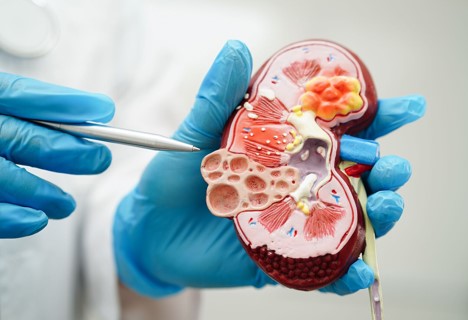
Diabetic kidney disease (DKD) is one of the most common and serious complications of diabetes. It is the leading cause of chronic kidney disease (CKD) and kidney failure requiring dialysis or kidney transplantation worldwide. It is a silent battle taking place inside the body, demanding full awareness and rapid response for prevention and treatment.
How Does Diabetes Destroy the Body’s “Filters”?
The kidneys are the body’s vital “filters” responsible for purifying the blood from toxins and excess fluids. Prolonged high blood glucose levels lead to progressive damage to the tiny blood vessels within the kidneys, particularly in the glomeruli—the kidneys’ filtering units.
- Overworking: High blood sugar forces the kidneys to work twice as hard to filter large volumes of blood, which exhausts these filters.
- Leaking: Over time, these blood vessels become damaged and porous, leaking essential substances that should remain in the blood—most notably protein (albumin)—into the urine. This is an early and critical sign of kidney damage.
- Compounding Damage: The damage worsens when diabetes coexists with high blood pressure. Elevated pressure within the kidney’s filtration system accelerates the decline of kidney function toward renal failure.
Signs of Diabetic Kidney Disease
In the early stages, no symptoms appear at all. However, as the condition advances, clear warning signs begin to emerge, such as:
- Foamy urine (due to protein leakage)
- Swelling of the feet and ankles (due to fluid retention)
- Fatigue and exhaustion
- Nausea and Loss of appetite
Prevention Methods
Prevention is the best strategy when managing diabetic kidney disease, relying primarily on the strict control of risk factors.
1. Controlling Blood Sugar
- Maintain blood glucose levels within the target range and perform regular cumulative sugar tests (HbA1c). For many adults, an HbA1c target around 7% is appropriate, although targets should always be individualized according to age, overall health, and risk of hypoglycemia.
- Use appropriate medications for the patient, with regular monitoring and dose adjustments.
- Adhere to a healthy diet low in simple carbohydrates and rich in fiber, while monitoring portion sizes of carbohydrates.
2. Controlling Blood Pressure
- Maintain blood pressure readings below 130/80 mmHg using medications (such as ACE inhibitors or ARBs) and lifestyle modifications.
3. Healthy Lifestyle
- Achieve weight loss, engage in physical activity (at least 150 minutes of aerobic exercise per week), and quit smoking permanently.
4. Dietary Habits
- Reduce salt (sodium) intake, eat more fruits, vegetables, and fiber, and limit saturated fats.
- Avoid excessive protein intake. Patients with established CKD should follow individualized protein recommendations provided by their healthcare team.
5. Avoiding Kidney-Damaging Medications
- Avoid unnecessary use of non-steroidal anti-inflammatory drugs (NSAIDs), such as ibuprofen and diclofenac, unless advised by your doctor.
- Monitor medications cleared through the kidneys to adjust doses when necessary.
6. Regular Monitoring
- Conduct periodic tests for kidney function and urine protein levels to detect any damage early.
By consistently following these steps, the progression of kidney disease can often be slowed, helping to delay or prevent advanced kidney disease.
Latest Treatments in Kidney Protection
The treatment of diabetic kidney disease is no longer limited to controlling sugar and blood pressure. It has witnessed significant progress thanks to new classes of medications that offer direct protection to both the kidneys and the heart:
- SGLT2 inhibitors: These drugs represent a true revolution. Originally developed to lower blood sugar, SGLT2 inhibitors have been shown to significantly protect kidney function, slow CKD progression, reduce the risk of kidney failure, and lower the risk of hospitalization for heart failure—even beyond their glucose-lowering effects.
- Nonsteroidal Mineralocorticoid Receptor Antagonists (MRAs), such as finerenone: This class of medications helps reduce inflammation and fibrosis within the kidneys, slowing the progression of chronic kidney disease in patients with diabetes while also lowering cardiovascular risk in appropriate patients.
- GLP-1 receptor agonists: Some of these medications, like Semaglutide (the active ingredient in Ozempic), improve blood sugar control, promote weight loss, reduce cardiovascular risk, and have also demonstrated kidney-protective benefits in patients with type 2 diabetes.
Important Notes on Currently Available Treatments
- Despite the high effectiveness of modern treatments, they cannot be relied upon alone without fully adhering to basic preventive measures (glycemic control, blood pressure control, and a healthy lifestyle).
- The safety of using these medications must be evaluated for each kidney patient based on the stage of their kidney disease, as some drugs may require dosage adjustments or may be contraindicated in advanced stages.
- If kidney disease progresses despite treatment, dialysis or kidney transplantation may eventually become necessary. This highlights the vital importance of early detection and precise disease management from the very beginning to avoid reaching these stages.
Conclusion and Recommendations
Diabetic kidney disease is often silent in its early stages, but it is not inevitable. Early detection, regular screening, and appropriate treatment can significantly delay or even prevent progression to kidney failure. If you have diabetes, ask your healthcare provider about routine kidney screening and the latest kidney-protective treatments. Taking action today can help preserve your kidney health for years to come.
Protect your kidneys. Invest in a healthier, better life.
For an appropriate medical assessment and a personalized care plan, book an appointment with the doctor.
Al Kindi Hospital is a premier, modern multi-specialty hospital in the Kingdom of Bahrain. We seamlessly pair advanced, technology-driven clinical diagnostics with compassionate, world-class patient care at our state-of-the-art facilities.
Any health insights, medical updates, or general advice posted on our blog are for informational and educational purposes only. This content is not intended to replace or substitute professional medical advice, diagnosis, or treatment. If you are experiencing symptoms or have specific medical concerns, please consult directly with our qualified medical consultants and specialists at Al Kindi Hospital.