Subtotal 0.000 .د.ب



How Genetic Testing is Rewriting Breast Cancer Outcomes
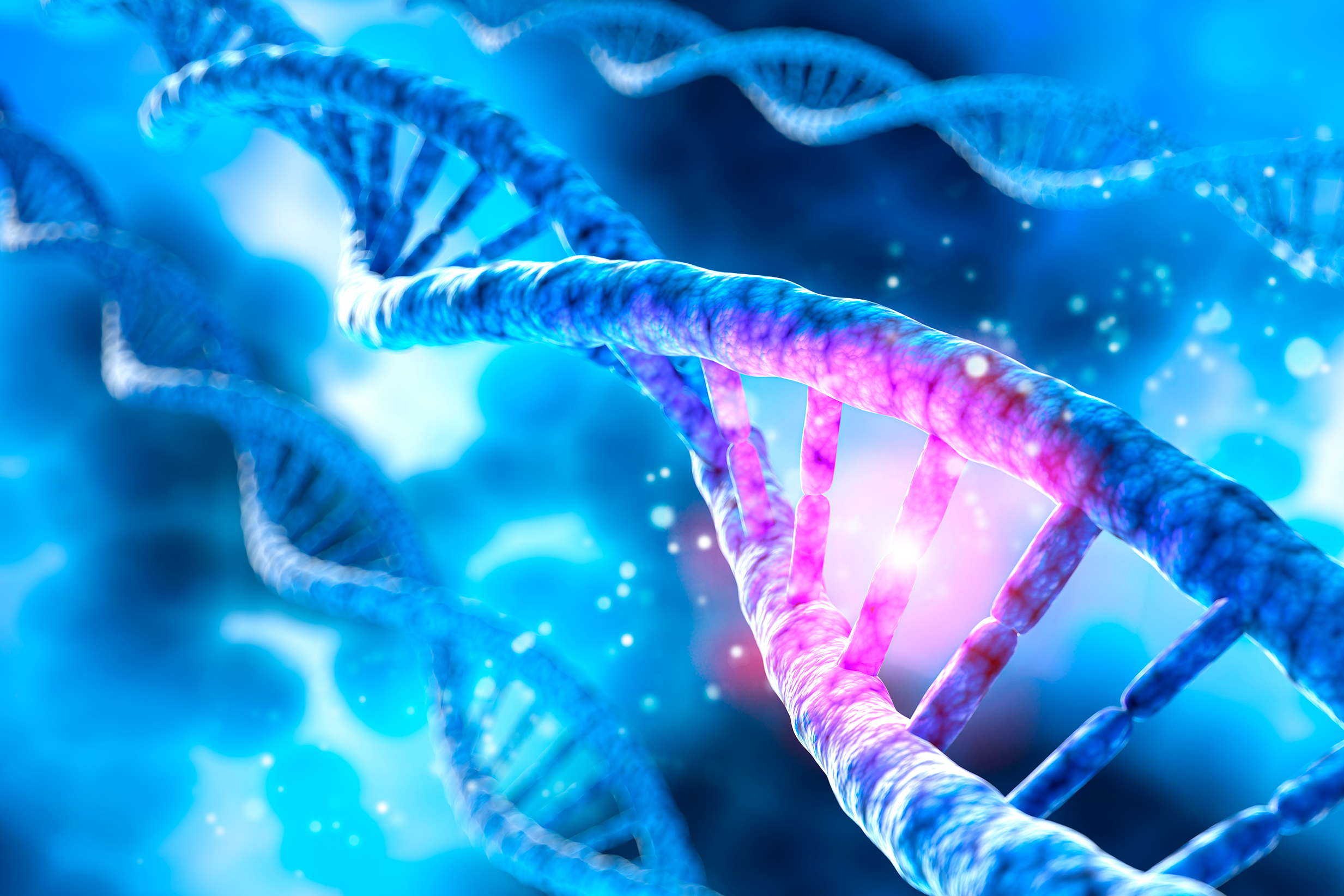
October arrives each year cloaked in pink, serving as a global reminder of the ongoing fight against breast cancer. While the pink ribbons beautifully symbolize solidarity and hope, true awareness stems from understanding the science behind the disease. One of the most critical shifts in modern medicine is the recognition of cancer as a genetic disease—a malfunction in the very blueprint of our cells.
Cancer as a Genetic Disease
Every instance of cancer is genetic in nature, meaning it is caused by mutations or alterations in the DNA that regulate cell growth. When these genes are damaged, cells divide uncontrollably, eventually forming tumors. However, there is a vital distinction between cancer being sporadic (somatic mutations) and cancer being inherited (germline mutations). Most breast cancers are somatic, meaning the genetic mutations occur sporadically over a person’s lifetime due to aging or environmental factors.
Conversely, about 5% to 10% of breast cancers are hereditary. These cases occur when an individual inherits a damaged gene directly from a biological parent. This germline mutation is present in every cell of the body from birth, drastically increasing the lifetime risk of developing breast and ovarian cancers.
The Importance of Genetic Testing and Family History
For individuals with a strong family history of cancer, knowledge truly is power. A strong family history might include multiple relatives diagnosed with breast or ovarian cancer, diagnoses at an unusually young age (under 50), or a male relative with breast or prostate cancer. In these scenarios, clinical genetic testing becomes a vital tool for proactive healthcare management.
Genetic testing involves a simple blood or saliva sample to screen for known pathogenic variants. Identifying a genetic mutation before cancer ever develops allows individuals and their healthcare providers to rewrite the narrative. Instead of waiting for a tumor to appear, high-risk individuals can opt for advanced screening protocols—such as annual breast MRIs starting at a younger age— or risk-reducing surgeries.
Key Genes Involved in Breast Cancer
The most widely recognized genes associated with hereditary breast cancer are BRAC1 and BRAC2. In their normal state, these are tumor suppressor genes that protect the body by repairing damaged DNA. When mutated, they can no longer fix cellular errors, causing the risk of breast cancer to jump up to 70–80% by age 80.
Beyond BRCA, genetic panels now screen for other critical genes:
• PALB2: Partners with BRCA2 to repair DNA; mutations significantly elevate breast cancer risks.
• TP53: The “guardian of the genome.” Mutations cause Li-Fraumeni Syndrome, leading to a high risk of multiple cancers, including early-onset breast cancer.
• CHEK2 and ATM: Moderate-risk genes involved in DNA damage response that double or triple baseline breast cancer risks.
The Role of Receptors: ER, PR, and HER2
Once breast cancer is diagnosed, treating it requires looking closely at the specific characteristics of the tumor cells. Pathologists test breast cancer cells for three specific receptors that act as “fuel switches” for the tumor:
1. Estrogen Receptor (ER) & Progesterone Receptor (PR): These are hormone receptors. If the tumor cells have them (ER-positive or PR-positive), it means the cancer uses the body’s natural hormones to grow.
2. HER2 (Human Epidermal Growth Factor Receptor 2): This is a protein that controls cell growth. When a tumor is HER2-positive, it has too many of these receptors, causing the cancer to grow and spread aggressively.
Understanding this receptor status is foundational for modern targeted therapy. If a tumor is ER/PR-positive, doctors can use hormone therapies (like Tamoxifen or Aromatase Inhibitors) to block estrogen from reaching the cells. If the tumor is HER2-positive, targeted therapies like Trastuzumab (Herceptin) can specifically bind to and shut down the HER2 proteins. Tumors that lack all three receptors are classified as Triple-Negative Breast Cancer (TNBC). Because TNBC cannot be treated with hormone or HER2 therapies, it is managed with standard chemotherapy and newer immunotherapies.
A Call to Action: Screening Saves Lives
This Breast Cancer Awareness Month, let the science empower you rather than frighten you. Thanks to incredible strides in genetic counseling, targeted therapies, and screening technologies, a breast cancer diagnosis is no longer a singular, predictable path.
Early detection remains our most formidable weapon. Mammograms and clinical screenings can identify changes in breast tissue long before they can be felt as a lump. If you have a family history of cancer, take the brave step to speak with a genetic counselor. Empower yourself with information, schedule your routine screenings, and encourage the women and men in your life to do the same. Knowledge is preventative medicine, and early detection saves lives.
Genetic knowledge and early screening are your strongest weapons against breast cancer
For an appropriate medical assessment and a personalized care plan, book an appointment with the doctor.
Al Kindi Hospital is a premier, modern multi-specialty hospital in the Kingdom of Bahrain. We seamlessly pair advanced, technology-driven clinical diagnostics with compassionate, world-class patient care at our state-of-the-art facilities.
Any health insights, medical updates, or general advice posted on our blog are for informational and educational purposes only. This content is not intended to replace or substitute professional medical advice, diagnosis, or treatment. If you are experiencing symptoms or have specific medical concerns, please consult directly with our qualified medical consultants and specialists at Al Kindi Hospital.
What is the link between insulin resistance and diabetes?
Amid the rising prevalence of chronic diseases in our society, 'insulin resistance' emerges as a serious and often…