Subtotal 0.000 .د.ب



What is the link between insulin resistance and diabetes?
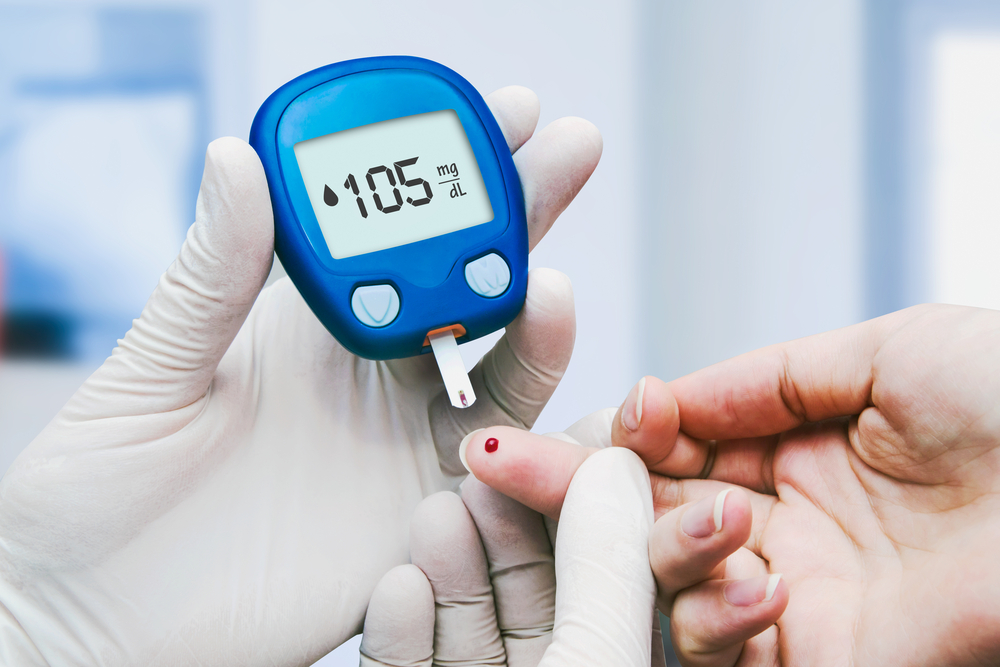
Amid the rising prevalence of chronic diseases in our society, ‘insulin resistance’ emerges as a serious and often undiagnosed health condition, representing the hidden bridge toward developing type 2 diabetes and cardiovascular diseases. In the following interview with Dr. Hasan Frookh, Consultant Endocrine & Diabetes at Al Kindi Hospital, we shed light on insulin resistance syndrome as a vital step toward preventing chronic conditions.
What is Insulin Resistance?
Simply put, insulin resistance is a condition in which the body’s cells do not respond normally to the hormone insulin secreted by the pancreas. Insulin’s primary function is to open the “locks” of the cells, allowing glucose (sugar) from the blood to enter them to be used for energy. When cells resist this hormone, glucose remains high in the bloodstream, prompting the pancreas to secrete more insulin in a desperate attempt to overcome this resistance.
The Result: Elevated levels of both glucose and insulin in the blood simultaneously.
What are its causes?
Several factors play a role in the onset of insulin resistance, the most important of which are:
- Sedentary Lifestyle: A lack of physical activity weakens the muscles’ ability to utilize glucose.
- Unhealthy Diet: Excessive consumption of simple sugars, refined carbohydrates (such as white bread and pastries), and unhealthy fats.
- Obesity and Fat Accumulation, particularly in the Abdomen: Fat cells in the abdomen secrete chemicals that disrupt the proper function of insulin.
- Genetic Factors: Having a family history of insulin resistance or type 2 diabetes increases the likelihood of developing the condition.
- Certain Health Conditions: Such as polycystic ovary syndrome (PCOS) in women, sleep apnea, high blood pressure, and blood lipid disorders (dyslipidemia).
Is it genetic?
Yes, genetics plays a significant role in increasing susceptibility to insulin resistance. If one or both parents have type 2 diabetes or insulin resistance, the risk of developing the condition increases. However, it is important to note that genetics is not an inevitable destiny! A healthy lifestyle is the decisive factor that can delay or even prevent the onset of the problem, even when a genetic predisposition is present.
How closely is it linked to diabetes?
The link is very close. Insulin resistance is considered the initial and most critical stage on the path to developing type 2 diabetes. It can persist for many years before any symptoms of diabetes appear. During this period, the pancreas works twice as hard to compensate for the resistance. Over time, however, it may fail to keep up with this increasing resistance, causing blood sugar levels to rise permanently, leading to a diagnosis of type 2 diabetes. Therefore, insulin resistance can be viewed as an alarm bell that demands immediate action to prevent the progression of the disease.
What are the symptoms?
Unfortunately, clear symptoms may not appear in the early stages. However, as the condition progresses, certain signs may emerge, such as:
- Severe Fatigue and Exhaustion.
- Constant Hunger, especially shortly after eating.
- Difficulty Losing Weight or gaining weight easily.
- Extreme Thirst and occasional frequent urination.
- The Appearance of Dark Patches on the Skin with a velvety texture, particularly around the neck and armpits (Acanthosis Nigricans).
- Difficulty Concentrating (Brain Fog).
How is it diagnosed?
Diagnosis is carried out by a specialist who relies on:
- Clinical Examination: Measuring weight, height, waist circumference, and blood pressure.
- Laboratory Tests:
- Fasting Blood Sugar Test: Measuring blood glucose levels after fasting for 8 hours.
- Glycated Hemoglobin Test (A1c): Provides an average picture of blood sugar levels over the past 2–3 months.
- Oral Glucose Tolerance Test (OGTT): Measures the body’s response to a sugar challenge.
The doctor often uses these indicators to calculate an index called HOMA-IR to evaluate the degree of resistance.
What are the methods of treatment and prevention?
The good news is that insulin resistance is a reversible condition that can be largely controlled through lifestyle changes, which form the cornerstone of treatment:
- Dietary Modification: Focus on fiber-rich foods (vegetables, fruits in moderation, whole grains), healthy proteins, and good fats (such as nuts and olive oil). Reduce sugars, refined carbohydrates, and processed foods.
- Regular Physical Activity: At least 150 minutes per week of moderate activity (such as brisk walking). Exercise increases insulin sensitivity in the cells immediately and continuously.
- Weight Loss: Losing even 5 – 10% of your current body weight can make a massive difference in improving the body’s response to insulin.
- Stress Management and Adequate, Quality Sleep: Chronic stress and lack of sleep increase hormones that actively work against insulin.
- Medical Treatment: In some cases, the doctor may prescribe medications to improve insulin sensitivity (such as Metformin or GLP-1 receptor agonists), especially if other risk factors are present.
Conclusion and Recommendation
Insulin resistance is not a disease, but rather an alarm bell and a call to reconsider our lifestyle. In Bahrain, where non-communicable diseases pose a major health challenge, it is our responsibility as individuals and as a community to pay attention to this condition and detect it early. We advise anyone experiencing any of the symptoms mentioned, or who has a family history of diabetes or obesity, to consult a physician and undergo regular checkups. Prevention and early treatment are the most powerful weapons for maintaining lifelong health and preventing the development of more serious diseases.
Take the Next Step
Don’t ignore the warning signs. If you recognize these symptoms in yourself or someone you care about, speak up at your next appointment. Your primary care provider can easily evaluate your health, arrange the necessary tests, and design a practical wellness plan tailored strictly to your body’s needs.
Take control of your health with our expert support
For an appropriate medical assessment and a personalized care plan, book an appointment with the doctor.
Al Kindi Hospital is a premier, modern multi-specialty hospital in the Kingdom of Bahrain. We seamlessly pair advanced, technology-driven clinical diagnostics with compassionate, world-class patient care at our state-of-the-art facilities.
Any health insights, medical updates, or general advice posted on our blog are for informational and educational purposes only. This content is not intended to replace or substitute professional medical advice, diagnosis, or treatment. If you are experiencing symptoms or have specific medical concerns, please consult directly with our qualified medical consultants and specialists at Al Kindi Hospital.

How Genetic Testing is Rewriting Breast Cancer Outcomes
October arrives each year cloaked in pink, serving as a global reminder of the ongoing fight against breast…